
India Tour Planning Tips: Complete Travel Guide for Foreigners
Planning a holiday to India can be one of the most exciting travel experiences of your life. These India Tour Planning Tips will help you choose the best destinations, understand travel distances, plan a realistic itinerary, and discover the country’s remarkable cultural heritage. From the magnificent Taj Mahal and the royal palaces of Rajasthan to the sacred River Ganges in Varanasi and the beautiful backwaters of Kerala, India offers unforgettable experiences for every traveler.
However, India is a vast and diverse country. Each region has different traditions, languages, landscapes, and weather conditions. Planning carefully can help you avoid unnecessary travel, unexpected expenses, and exhausting schedules.
At Monu Tours, we specialize in private and customized journeys across India. Our travel experiences focus on local knowledge, cultural discovery, comfortable transportation, and personalized itineraries.
Whether you are planning your first visit or returning to explore new destinations, this guide will help you organize a rewarding Indian holiday.
1. Choose the Right Destinations for Your India Holiday
One of our most important India Tour Planning Tips is to select destinations according to your interests rather than simply choosing the most famous places.
India offers many different travel experiences.
Delhi – History, Culture and Modern India
Delhi is often the starting point for international visitors.
The city combines ancient monuments, lively markets, religious landmarks, and modern neighborhoods.
Popular attractions include Humayun’s Tomb, Qutub Minar, India Gate, Jama Masjid, and the historic streets of Old Delhi.
A guided walk through Old Delhi can introduce visitors to traditional markets, street food, and local daily life.
Agra – Discover the Taj Mahal
Agra is home to the world-famous Taj Mahal, one of India’s most celebrated architectural landmarks.
The monument was built by Mughal Emperor Shah Jahan in memory of his wife Mumtaz Mahal.
Other important attractions include Agra Fort and the nearby historic city of Fatehpur Sikri.
For many visitors, seeing the Taj Mahal early in the morning is a highlight of their India holiday.
Jaipur – Royal Heritage of Rajasthan
Jaipur, often called the Pink City, is known for magnificent forts, royal palaces, and colorful markets.
Popular attractions include Amber Fort, City Palace, Hawa Mahal, and Jantar Mantar.
Jaipur is also a wonderful destination for discovering traditional handicrafts, textiles, jewelry, and Rajasthani cuisine.
Varanasi – Spiritual Traditions Along the Ganges
Varanasi is one of India’s oldest continuously inhabited cities and an important center of Hindu pilgrimage.
The city is famous for its historic ghats, ancient temples, narrow lanes, and traditional religious ceremonies.
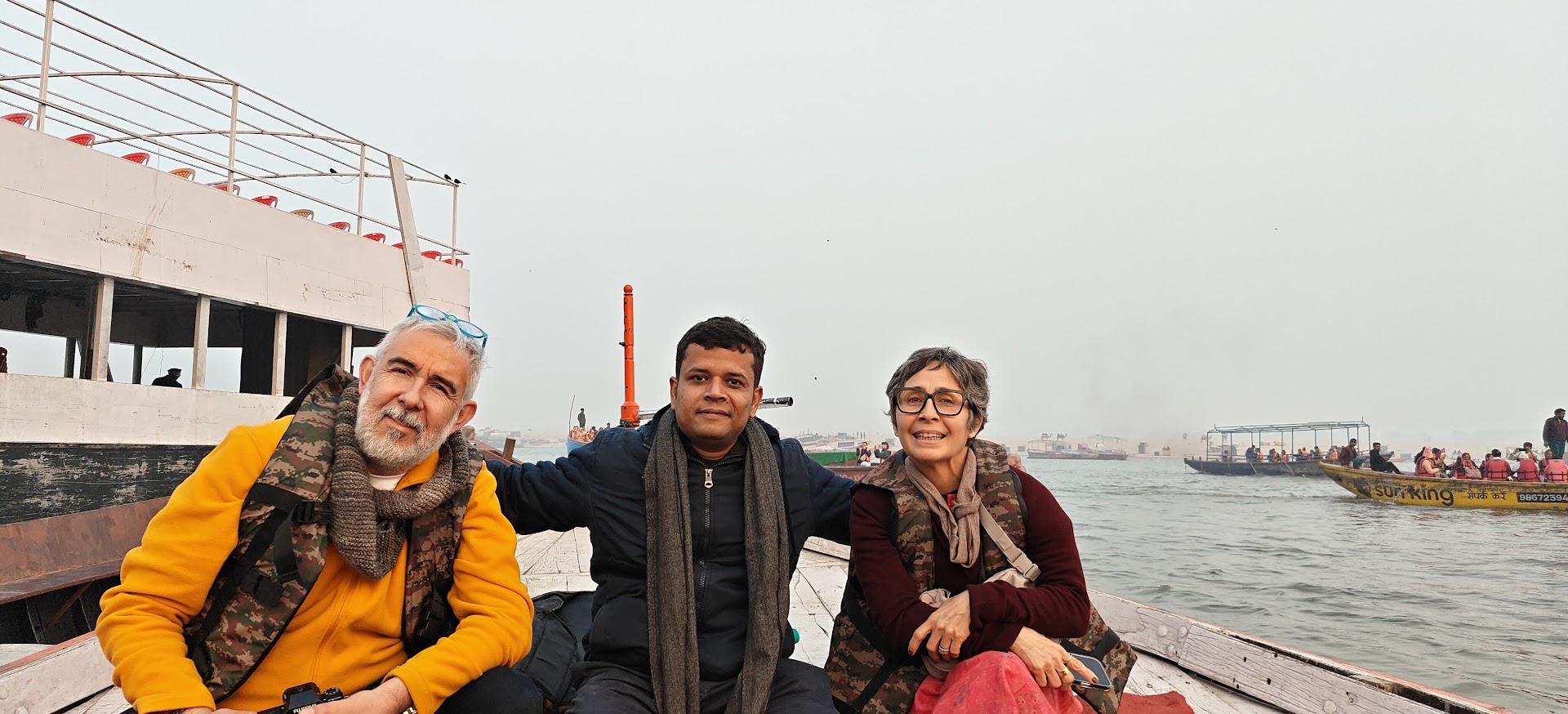
A sunrise boat ride along the River Ganges provides an opportunity to observe daily life along the waterfront.
Visitors can also explore the old city, attend the evening Ganga Aarti, and visit nearby Sarnath.
Kerala – Backwaters, Mountains and Tropical Beaches
Kerala offers a different side of India.
Its landscapes include green tea plantations, tropical forests, peaceful waterways, and beautiful beaches.
Popular destinations include Kochi, Munnar, Thekkady, Kumarakom, Alleppey, and Kovalam.
An overnight houseboat experience in Alleppey is a memorable way to discover the region’s traditional backwater lifestyle.
Monu Tours recommendation: If you are visiting India for the first time, consider combining Delhi, Agra, Jaipur, and Varanasi. This route introduces you to history, architecture, spirituality, and local culture.
2. Understand the Best Time to Visit India
Choosing the right travel season is another essential part of our India Tour Planning Tips.
India’s weather varies significantly between regions, so the best time to visit depends on your itinerary.
October to March – Popular for North India
These months are generally suitable for visiting Delhi, Agra, Jaipur, Varanasi, and much of Rajasthan.
Daytime conditions are often more comfortable for sightseeing.
However, December and January can bring cold weather and fog to northern India. Fog may cause delays to trains, flights, and road journeys.
April to June – Summer Travel
Summer temperatures can become extremely high in many northern cities.
Travelers visiting during this period should plan outdoor sightseeing early in the morning and allow breaks during the hottest hours.
Some mountain destinations offer comparatively cooler weather.
June to September – Monsoon Season
The monsoon brings rainfall to many parts of India.
Kerala becomes particularly green during this period, although heavy rain can affect sightseeing and transportation.
Rainfall patterns vary considerably by region.
Himalayan Destinations
Destinations in the Himalayan region have different travel seasons.
Mountain roads may be affected by snow during winter or landslides during the monsoon.
Always check regional weather and road conditions before traveling.
Travel advice: For a first-time Golden Triangle and Varanasi holiday, October to March is generally a good period to consider.
3. How Many Days Do You Need to Explore India?
Among our practical India Tour Planning Tips, allowing enough time in each destination is especially important.
Many international visitors underestimate India’s size.
Trying to visit too many cities in a short period can result in long journeys and limited sightseeing time.
Here are some suggested itineraries.
7 Days – Golden Triangle Tour
The Golden Triangle is one of India’s most popular travel routes.
Suggested itinerary:
- Day 1: Arrival in Delhi
- Day 2: Delhi sightseeing
- Day 3: Delhi to Agra
- Day 4: Agra to Jaipur
- Day 5: Jaipur sightseeing
- Day 6: Jaipur sightseeing or local experiences
- Day 7: Return to Delhi and departure, depending on flight time
This journey introduces visitors to Mughal architecture, royal palaces, historic forts, and traditional markets.
10 Days – Golden Triangle With Varanasi
For travelers interested in India’s spiritual heritage, Varanasi is an excellent addition.
Suggested itinerary:
- Day 1: Arrival in Delhi
- Day 2: Delhi sightseeing
- Day 3: Delhi to Agra
- Day 4: Agra to Jaipur
- Day 5: Jaipur sightseeing
- Day 6: Jaipur sightseeing and local experiences
- Day 7: Travel to Varanasi using a suitable flight or rail connection
- Day 8: Sunrise boat ride, old city walk, and evening Ganga Aarti
- Day 9: Visit Sarnath and explore Varanasi
- Day 10: Departure from Varanasi or onward connection
The exact sequence depends on transport availability and your international flight arrangements.
14 Days – Rajasthan and North India
Two weeks provides more time to explore India’s royal heritage.
A possible itinerary includes Delhi, Agra, Jaipur, Jodhpur, Udaipur, and Varanasi.
This journey combines architectural landmarks, traditional markets, cultural experiences, and historic cities.
10 Days – Kerala Holiday
Travelers interested in nature and relaxation can explore South India.
A Kerala itinerary may include Kochi, Munnar, Thekkady, Kumarakom, Alleppey, and Kovalam.
This route offers tea plantations, wildlife opportunities, backwater cruises, and coastal experiences.
Important: These are sample itineraries. A personalized tour should account for your arrival airport, travel season, interests, and available transportation.
4. Understand Travel Distances in India
One of the most useful India Tour Planning Tips is to calculate actual travel time rather than relying only on distances shown on a map.
Road conditions, traffic, weather, and sightseeing stops can affect journey durations.
Approximate Driving Times
| Route | Estimated Travel Time |
|---|---|
| Delhi to Agra | 3–5 hours |
| Agra to Jaipur | 4–6 hours |
| Delhi to Jaipur | 5–7 hours |
| Jaipur to Jodhpur | 5–7 hours |
| Jodhpur to Udaipur | 4–6 hours |
| Varanasi to Sarnath | 30–60 minutes |
These times are estimates and may vary.
For longer distances, domestic flights or trains may be more practical.
When planning a private India tour, avoid scheduling too many activities immediately after a long journey.
Allow time for meals, hotel check-in, rest, and unexpected delays.
5. Check Indian Visa Requirements Before Booking
Most foreign visitors require an appropriate visa to enter India.
Depending on your nationality and purpose of travel, you may qualify for an Indian e-Visa.
Before applying, check the latest requirements through the official Government of India visa website.
Official website: https://indianvisaonline.gov.in/
Important considerations include:
- Passport validity requirements
- Visa eligibility for your nationality
- Permitted entry points
- Duration of stay
- Application processing time
- Visa conditions and restrictions
Keep copies of your passport, visa approval, and important travel documents.
Avoid using unofficial websites that may charge unnecessary fees or provide inaccurate information.
Visa approval is determined by the relevant Indian authorities and cannot be guaranteed by a tour operator.
6. Should You Choose a Private Tour or Independent Travel?
These India Tour Planning Tips are particularly helpful for visitors deciding how to explore the country.
Both independent travel and private tours offer advantages.
Independent Travel in India
Independent travel allows you to organize your own accommodation, transportation, and sightseeing.
It can be suitable for experienced travelers who enjoy flexibility and planning their own journeys.
However, arranging train tickets, navigating unfamiliar cities, and coordinating transport between destinations can require additional time.
Private India Tours
A private tour can make traveling between destinations more convenient.
Depending on the confirmed package, a private tour may include:
- Dedicated transportation
- Professional driver
- Airport transfers
- Hotel arrangements
- Local sightseeing guides
- Customized itineraries
- Assistance with travel planning
Private tours are particularly convenient for couples, families, senior travelers, and visitors with limited time.
Why Choose Monu Tours?
Monu Tours offers personalized travel experiences designed around individual interests.
Instead of following the same schedule as a large group, travelers can discuss their preferred destinations, accommodation standards, and sightseeing priorities.
Our aim is to help visitors discover India’s history, culture, traditions, and everyday life through thoughtfully planned journeys.
7. Plan Your India Travel Budget
The cost of an India holiday depends on several factors.
Accommodation category, transportation, travel season, sightseeing activities, and the number of travelers all influence the final price.
Budget Accommodation
Budget hotels and guesthouses may suit travelers looking for economical accommodation.
However, always check recent guest reviews, cleanliness, location, and facilities.
Mid-Range Hotels
Mid-range properties often provide a balance between comfort and cost.
They may be suitable for couples, families, and visitors planning longer itineraries.
Luxury Travel
India offers luxury heritage hotels, palace properties, premium resorts, and personalized travel services.
Luxury journeys can be arranged according to your preferred destinations and accommodation standards.
What Should You Check Before Booking?
Always review the complete list of inclusions and exclusions.
Ask whether your quotation covers:
- Accommodation
- Breakfast and other meals
- Private transportation
- Airport transfers
- Guide services
- Monument entrance fees
- Domestic flights or train tickets
- Applicable taxes
A lower advertised price does not always mean better value.
Choose a tour based on the complete travel experience rather than price alone.
8. Choose Hotels in Convenient Locations
Hotel location can have a significant impact on your travel experience.
In large cities such as Delhi, traffic can increase the time needed to reach major attractions.
In Varanasi, accommodation near the old city may offer convenient access to the ghats but can also involve narrow streets and limited vehicle access.
When selecting hotels, consider accessibility, comfort, nearby attractions, and your travel preferences.
Check whether the property offers air conditioning, heating when needed, breakfast, and suitable bathroom facilities.
Families and senior travelers should also consider lifts, stairs, and accessibility requirements.
9. Respect Indian Culture and Religious Traditions
India is home to diverse religious communities, languages, and cultural traditions.
Respecting local customs can make your journey more meaningful.
Visiting Temples
Some temples require visitors to remove their shoes or follow specific dress codes.
Certain religious sites have restrictions on entry or photography.
Always follow the instructions provided at each location.
Photography Etiquette
Ask permission before photographing individuals.
Be especially respectful during religious ceremonies, funeral rituals, and private family activities.
Local Markets
Traditional markets are wonderful places to experience everyday life.
You may encounter textiles, handicrafts, spices, jewelry, and regional specialties.
Shopping can be enjoyable, but confirm prices and product details before purchasing.
Cultural Experiences
Consider including activities such as local food walks, traditional craft demonstrations, cooking experiences, or guided neighborhood walks.
These experiences can provide a deeper understanding of Indian culture beyond famous monuments.
10. Food and Drinking Water Advice for Foreign Visitors
Indian cuisine varies considerably between regions.
North India is known for dishes such as dal, paneer, breads, and regional curries.
Rajasthan offers traditional specialties including dal baati churma.
Varanasi is famous for vegetarian dishes and local breakfast specialties.
Kerala features coconut-based dishes, rice preparations, and regional seafood.
Trying local cuisine can be a highlight of your holiday.
However, food hygiene is important.
Choose reputable restaurants and food stalls with good hygiene practices.
Drink safely treated or properly sealed bottled water.
Avoid ice when its preparation is uncertain.
Wash your hands before eating.
Travelers with food allergies should explain their requirements clearly.
11. Stay Safe While Traveling in India
India offers memorable travel experiences, but visitors should take ordinary travel precautions.
Keep your passport and important documents secure.
Use reliable transportation providers.
Avoid displaying large amounts of cash in crowded areas.
Be cautious of unsolicited offers from strangers.
Confirm prices before accepting services.
Keep digital copies of essential travel documents.
For emergencies in India, the nationwide emergency number is 112.
Check your home country’s official travel advice before departure.
Travel insurance is strongly recommended.
12. What Should You Pack for India?
Your packing list depends on the season and destinations.
Useful items include:
- Comfortable walking shoes
- Lightweight clothing
- Modest clothing for religious sites
- Sunscreen and sunglasses
- Personal medication
- Universal travel adapter
- Portable phone charger
- Travel documents
- Rain protection during the monsoon
- Warm clothing for winter or mountain travel
For North India during December and January, carry warm layers.
For summer sightseeing, lightweight breathable clothing and sun protection are particularly useful.
13. Discover India With Knowledgeable Local Guides
A local guide can add historical and cultural context to your journey.
For example, the Taj Mahal is not only an architectural masterpiece. Its construction, Mughal history, and symbolism make the visit more meaningful.
In Jaipur, a guide can explain the history of royal palaces, forts, and traditional architecture.
In Varanasi, local knowledge can help visitors understand the city’s ancient traditions, religious ceremonies, and everyday life.
A knowledgeable guide can also introduce lesser-known places that may not appear in standard sightseeing itineraries.
At Monu Tours, we believe that meaningful travel comes from genuine local connections and carefully planned experiences.
14. Common Mistakes to Avoid When Planning an India Tour
Following these India Tour Planning Tips can help you avoid several common mistakes.
Visiting Too Many Destinations
Trying to cover a large number of cities in a short period often results in unnecessary travel and exhaustion.
Ignoring Regional Weather
India’s climate varies widely.
Choose destinations according to the season rather than assuming the weather will be similar everywhere.
Booking Hotels Without Checking Location
A cheaper hotel far from major attractions may increase transportation time and inconvenience.
Underestimating Travel Distances
Long road journeys can reduce the time available for sightseeing.
Forgetting Entry Requirements
Check passport validity, visa conditions, and other applicable travel requirements before departure.
Booking Without Clear Inclusions
Always request a detailed quotation explaining what is included and excluded.
Missing Local Cultural Experiences
India is more than famous monuments.
Traditional markets, regional food, village experiences, and local conversations can create lasting memories.
15. Combine Your India Holiday With Nepal, Bhutan or Sri Lanka
Travelers planning a longer South Asian journey may consider combining India with nearby countries.
India and Nepal
An India and Nepal tour can combine North India’s historical landmarks with Kathmandu’s cultural heritage and Himalayan scenery.
India and Bhutan
Bhutan is known for its Buddhist monasteries, mountain landscapes, and distinctive traditions.
Tourism arrangements and entry requirements should be checked before planning.
India and Sri Lanka
Sri Lanka offers ancient cities, beautiful beaches, tea-growing regions, and wildlife experiences.
Combining India and Sri Lanka can create a varied cultural and nature-focused holiday.
Each country has separate visa and entry requirements.
Monu Tours welcomes inquiries about customized travel itineraries across India, Nepal, Bhutan, and Sri Lanka.
Frequently Asked Questions About India Travel Planning
What is the best itinerary for first-time visitors to India?
The Golden Triangle covering Delhi, Agra, and Jaipur is a popular introduction. Adding Varanasi offers a valuable cultural and spiritual experience.
How many days should I spend in India?
Seven to ten days is suitable for a focused regional journey. Two to three weeks provides more time to explore multiple destinations.
Is India expensive for international tourists?
India offers accommodation and travel options across different budgets. Costs depend on hotel category, transportation, season, and itinerary.
Is it safe to travel in India?
Many international visitors travel successfully throughout India. Sensible precautions, reliable transportation, and awareness of local conditions are important.
What is the best time to visit North India?
October to March is generally popular for sightseeing in Delhi, Agra, Jaipur, and Varanasi.
Can I book a private India tour?
Yes. Monu Tours offers private and customized itineraries based on travel dates, preferred destinations, and individual interests.
Can I combine Rajasthan and Varanasi in one trip?
Yes. Rajasthan and Varanasi can be combined, provided you allow sufficient time for transportation and sightseeing.
Can I customize my itinerary after discussing it with Monu Tours?
Yes. You can discuss your interests, travel dates, accommodation preferences, and preferred experiences before finalizing the itinerary.
Final India Tour Planning Tips for an Unforgettable Journey
We hope these India Tour Planning Tips help you prepare for a memorable journey through one of the world’s most fascinating countries.
The secret to a rewarding India holiday is not visiting as many places as possible. It is choosing the right destinations, allowing sufficient time, and experiencing the culture and traditions that make each region unique.
From the magnificent Taj Mahal to the spiritual atmosphere of Varanasi, the royal heritage of Rajasthan, and the peaceful landscapes of Kerala, India offers experiences that can stay with you long after your journey ends.
Plan Your Private India Tour With Monu Tours
At Monu Tours, we create personalized travel experiences across India and offer itinerary planning for Nepal, Bhutan, and Sri Lanka.
Whether you are planning a Golden Triangle holiday, a spiritual journey to Varanasi, a Rajasthan heritage tour, or a longer South Asian adventure, we can help you organize your trip.
Contact Monu Tours for a personalized itinerary and quotation.
WhatsApp / Call: +91 7275602585
Email: explorewithmonu@gmail.com
Website: https://monutours.com/
Discover India with local knowledge, personalized attention, and a journey designed around your interests.

Comment (0)